
 By Olivia Wilson Media Team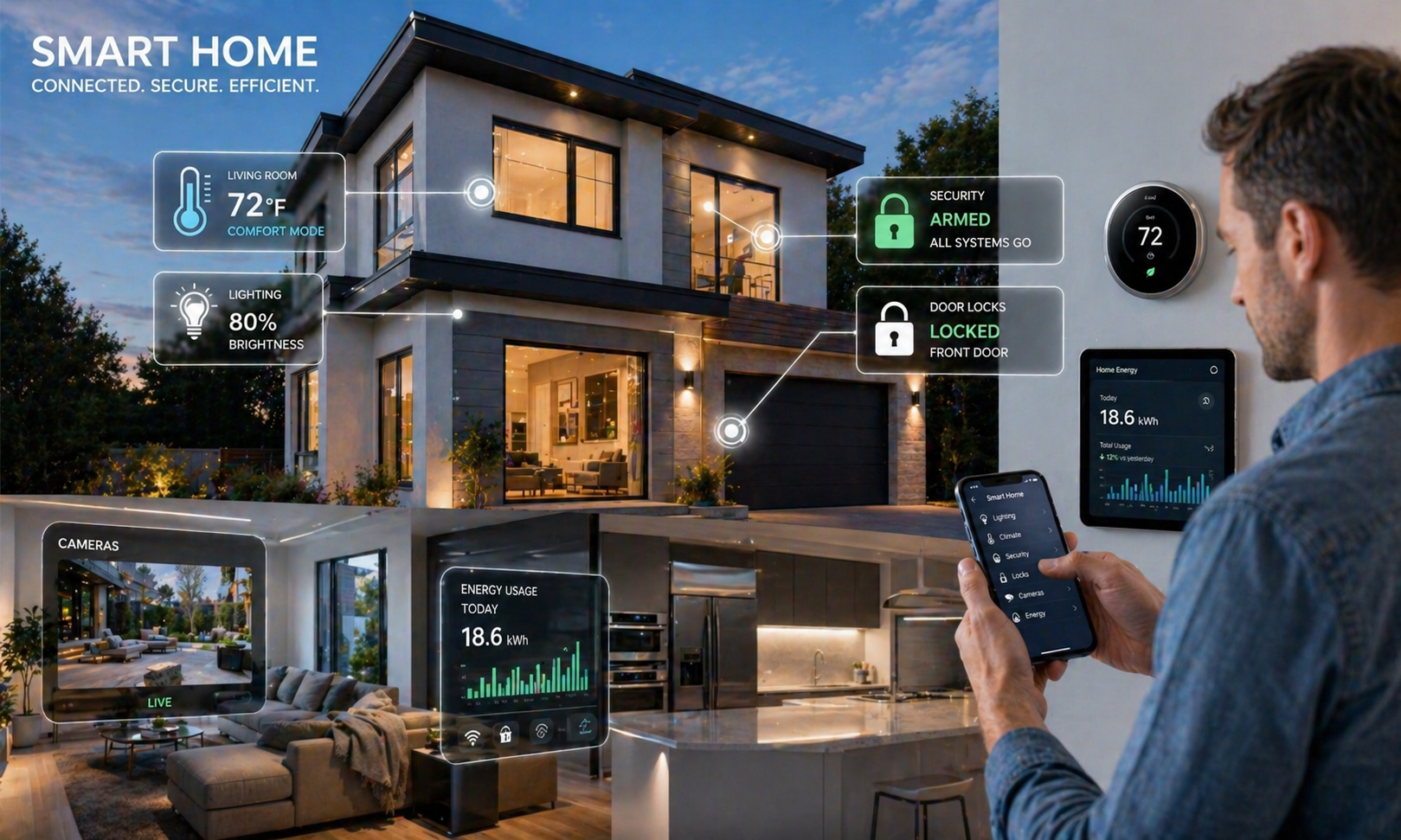
Entering the world of smart home technology can feel overwhelming because of the sheer variety of gadgets available today. At its core, this concept refers to a network of devices that connect to the internet to automate tasks that were once manual. You can control your lights, thermostats, and even your locks from a smartphone or through voice commands. The primary goal of starting a smart home journey is to add convenience, save energy, and enhance the safety of your living environment without needing a degree in engineering.
Many people assume that upgrading their living space requires a complete renovation or expensive rewiring. However, modern smart home technology is designed to be plug-and-play, meaning you can start with a single light bulb and grow your ecosystem over time. By understanding how these devices communicate through Wi-Fi, Bluetooth, or specialized frequencies like Zigbee and Z-Wave, you can make informed decisions. This guide aims to simplify those technical aspects so you can build a system that truly serves your daily lifestyle needs.
Before you purchase a dozen different sensors, you need to decide on a central brain for your system. A smart home hub acts as the conductor of an orchestra, ensuring that your various devices can talk to each other seamlessly. Popular choices include the Amazon Echo series, Google Nest Hub, or Apple HomePod. Each of these platforms offers a different user experience, so it is vital to choose one that aligns with the smartphone and services you already use daily.
If you are an avid iPhone user, you might find that the Apple HomeKit ecosystem offers the best integration and privacy features for your smart home technology. On the other hand, Google and Amazon offer wider compatibility with third-party manufacturers, making it easier to find budget-friendly accessories. Selecting your hub is the most critical step because it dictates which future products will work in your home. Once the hub is set up, adding new components becomes a simple matter of a few taps on your mobile screen.
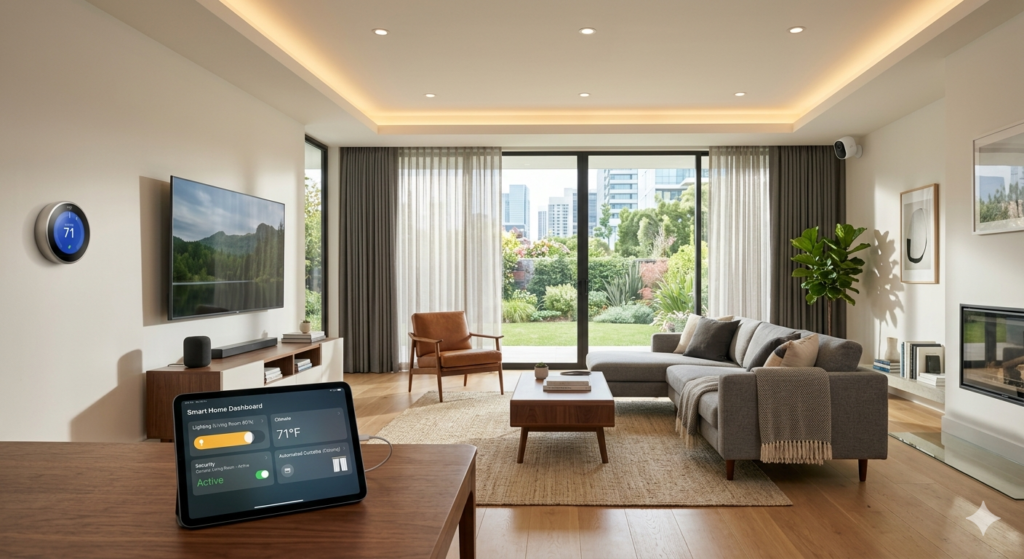
Smart lighting is often the first category people explore because it provides immediate visual impact and practical benefits. You can replace your standard bulbs with smart versions that allow you to dim the lights, change colors, or set schedules. Imagine your lights gradually brightening in the morning to mimic a sunrise or turning off automatically when the last person leaves the house. This application of smart home technology is not just about aesthetics; it is a major contributor to reducing monthly electricity bills by ensuring lights are never left on unnecessarily.
Beyond individual bulbs, you can also look into smart switches and plugs. Smart switches are excellent for rooms where you want to control multiple fixtures at once, while smart plugs can turn a traditional coffee maker or a vintage lamp into a connected device. As you explore smart home technology, you will find that lighting creates the foundation for “scenes.” A “movie night” scene might dim the living room lights and turn on a backlight behind the television with a single voice command, showcasing the true power of automation.
Safety is a primary motivator for many homeowners looking into connected devices. Smart security systems offer real-time monitoring that traditional alarms simply cannot match. You can install video doorbells that let you see and speak to visitors from anywhere in the world, or outdoor cameras that use artificial intelligence to distinguish between a stray cat and a delivery person. Integrating these tools into your smart home technology setup provides peace of mind whether you are at work or on vacation across the globe.
In addition to cameras, smart locks and sensors play a vital role in home protection. Smart locks allow you to grant temporary access codes to guests or contractors, eliminating the need for hidden spare keys under the doormat. Motion sensors and window contacts can alert your phone immediately if an unauthorized entry is detected. By layering these different aspects of smart home technology, you create a comprehensive security shield that is both proactive and easy to manage through a unified dashboard.
Heating and cooling usually account for the largest portion of a household’s energy consumption. Smart thermostats solve this problem by learning your habits and adjusting the temperature based on whether you are home or away. These devices analyze local weather patterns and your historical preferences to optimize your HVAC system. Using smart home technology for climate control ensures that you are never wasting money heating an empty house while guaranteeing you return to a comfortable environment.
To get the most out of your climate setup, you can add smart vents or room sensors that prioritize specific areas of the home. For instance, if you spend your evenings in the living room, the system can focus its efforts there rather than cooling an empty guest room. This granular level of control is a hallmark of advanced smart home technology. Over time, the energy savings from a smart thermostat can often pay for the device itself, making it a wise financial investment for any beginner.
Transforming your living room into a high-tech media center is one of the most enjoyable aspects of automation. Smart TVs, streaming sticks, and connected speakers can all be synchronized to provide a seamless entertainment experience. With the right smart home technology, you can use your voice to search for movies across multiple platforms or cast music from your phone to every room in the house simultaneously. This eliminates the clutter of multiple remote controls and complex wiring setups.
For a truly immersive experience, you can sync your smart lights with the colors on your television screen, creating an ambient glow that matches the action on the deck. This level of integration was once reserved for high-end custom home theaters, but smart home technology has made it accessible to the average consumer. Whether you are a hardcore gamer or a casual movie fan, connecting your media devices to your central hub allows for a more interactive and simplified way to enjoy your favorite content.
The “heart of the home” is also seeing a massive shift toward automation. Smart refrigerators can now track expiration dates and help you generate shopping lists, while smart ovens can be preheated remotely so they are ready when you walk through the door. While these might seem like luxury features, the practical application of smart home technology in the kitchen revolves around time management and reducing food waste. Notifications on your phone can even let you know if the fridge door was left open.
In the laundry room, smart washers and dryers can alert you when a cycle is finished or even order more detergent when you are running low. These appliances often include self-diagnostic tools that can identify mechanical issues before they become expensive repairs. By bringing smart home technology into your utility spaces, you streamline chores that used to take up hours of your weekend. This allows you to focus more on your family and hobbies while the machines handle the mundane tracking and maintenance.
As you add more devices to your network, maintaining a strong and secure connection becomes essential. Many beginners find that their standard router struggles to handle twenty or thirty different smart products at once. Upgrading to a mesh Wi-Fi system is a common recommendation in any smart home technology guide. Mesh systems use multiple nodes to blanket your entire house in a strong signal, preventing your smart locks or cameras from dropping offline at critical moments.
Privacy is another valid concern that every beginner should address. It is important to use strong, unique passwords for your smart home accounts and enable two-factor authentication whenever possible. Most reputable manufacturers of smart home technology provide regular software updates to patch security vulnerabilities. By staying proactive and choosing brands with a strong track record for data protection, you can enjoy the benefits of a connected home without compromising your personal information or digital safety.
The world of technology moves fast, and what is cutting-edge today might be standard tomorrow. To ensure your investment lasts, look for devices that support the “Matter” protocol. Matter is a new industry standard that allows devices from different brands to work together more reliably. By choosing Matter-compatible products for your smart home technology setup, you avoid being locked into a single brand’s ecosystem and ensure that your devices will continue to function even if you switch from an Android to an iPhone in the future.
Furthermore, consider the scalability of your system. Start with small, impactful changes and learn how you interact with the technology before committing to a whole-house overhaul. The beauty of smart home technology is that it is modular. You can add a smart garden kit this month and a robot vacuum next year. This gradual approach allows you to build a sophisticated home at your own pace while staying within your budget and learning the ropes of automation effectively.
Once you are comfortable with individual devices, you can begin exploring complex automations or “routines.” This is where the magic really happens. Instead of just turning on a light, you can program a “Good Morning” routine where the blinds open, the coffee starts brewing, the news plays on your speakers, and the thermostat raises the temperature—all triggered by your morning alarm. This level of coordination is the ultimate goal of implementing smart home technology in your daily routine.
You can also set up conditional triggers, such as “if the back door opens after 9 PM, turn on the porch lights and send a notification.” These logic-based rules allow your house to react to your needs without any manual input. As you master these sequences, you will find that smart home technology starts to feel less like a collection of gadgets and more like an invisible assistant that manages the background of your life, giving you back valuable time and peace of mind.
The best way to start is by identifying a specific problem you want to solve, such as high energy bills or a lack of security. Begin with a single hub and one or two compatible devices like smart bulbs or a video doorbell to get a feel for the interface.
While you do not need the most expensive plan, you do need a stable connection and a high-quality router. As you add more devices, the number of connections can strain basic routers, so a mesh Wi-Fi system is often recommended for better performance.
Most devices will still function manually (like a light switch), but their “smart” features and remote access will be disabled without the internet. However, some hubs that use Zigbee or Z-Wave can still run local automations without an active internet connection.
Embracing smart home technology is a journey that begins with a single step. By focusing on a reliable hub, choosing compatible devices, and prioritizing your specific needs—whether it is security, comfort, or energy savings—you can create a modern living space that works for you. The key is to start small, stay curious, and gradually build an ecosystem that enhances your quality of life. With the right foundation, your smart home will provide convenience and efficiency for many years to come.