
 By Olivia Wilson Media Team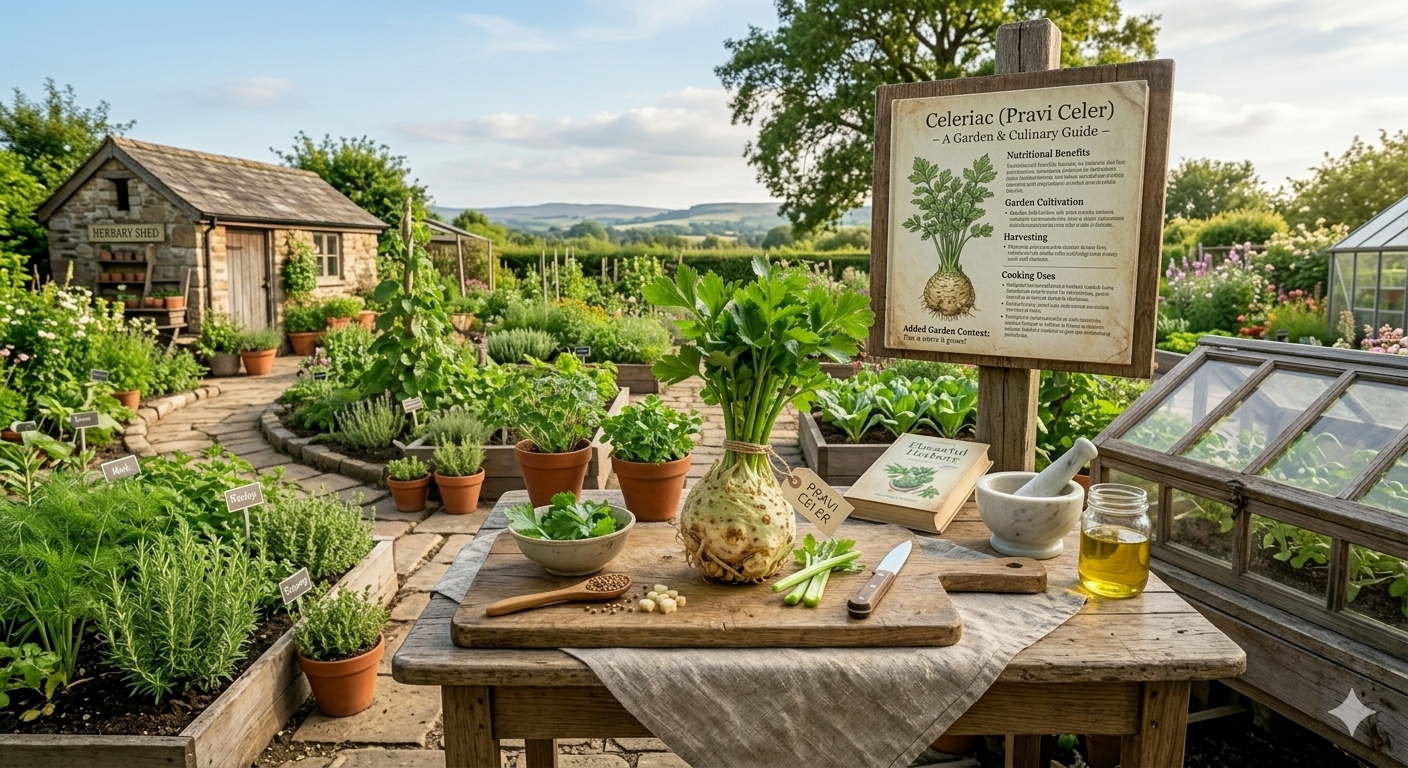
The vegetable kingdom offers countless options for adding nutrition, flavor, and variety to our diets. Among these valuable plants, some remain relatively unknown to mainstream audiences despite offering exceptional culinary and health benefits. Pravi celer represents one such vegetable that deserves greater recognition for its versatility, nutritional density, and distinctive flavor profile. This root vegetable has been cultivated and consumed in European cuisines for centuries, particularly in Central and Eastern European cooking traditions where it holds cherished status as both everyday ingredient and seasonal specialty. Understanding what this vegetable offers, how to prepare it, and how to grow it yourself opens new possibilities for expanding your culinary repertoire and nutritional intake. This comprehensive guide explores everything you need to know about pravi celer from botanical characteristics to practical cooking applications.
Pravi celer, known botanically as Apium graveolens var. rapaceum, is commonly called celeriac or celery root in English-speaking countries. This vegetable belongs to the same species as common celery but has been cultivated specifically for its enlarged, bulbous root rather than its stalks. The plant produces a knobby, roughly spherical underground structure that serves as the primary edible portion, though the leaves can also be used as herbs.
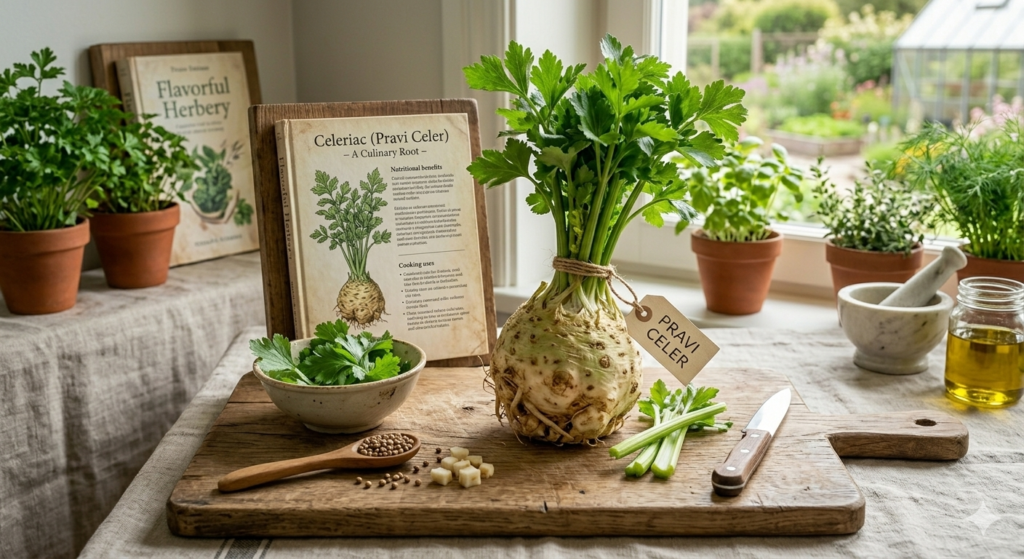
The root itself typically grows to the size of a large grapefruit or small coconut, with rough, brown outer skin covering creamy white flesh inside. The exterior appearance can seem uninviting with its gnarled, root-covered surface, but this rough exterior protects tender, flavorful interior flesh. The texture of the raw root resembles firm potato or turnip, becoming softer and creamier when cooked through various methods.
Flavor-wise, pravi celer offers a subtle, nutty taste with clear celery notes but without the stringy texture and intense flavor of celery stalks. This milder, more refined flavor makes it versatile for both raw and cooked applications where it can serve as main ingredient or supporting player. The taste has been described as elegant and sophisticated, appealing to those who find regular celery too strong or fibrous.
The plant grows as a cool-season crop, thriving in temperate climates with adequate moisture and relatively long growing seasons. It requires several months from planting to harvest, making it a commitment for gardeners but rewarding those patient enough to nurture it to maturity. Understanding these basic characteristics helps contextualize how pravi celer fits into both culinary traditions and home gardening plans.
The nutritional profile of pravi celer makes it a valuable addition to health-conscious diets. This vegetable provides substantial amounts of vitamin K, which plays essential roles in blood clotting and bone health. A single serving can deliver significant percentages of daily vitamin K requirements, making it particularly valuable for maintaining skeletal strength and proper blood function.
Vitamin C content in celeriac supports immune function, collagen production, and antioxidant protection throughout the body. While not as vitamin C-dense as citrus fruits, pravi celer contributes meaningful amounts when consumed regularly. The vitamin C remains relatively stable during cooking, though some loss occurs with prolonged heat exposure or boiling where nutrients leach into cooking water.
Mineral content includes phosphorus, potassium, and smaller amounts of magnesium, iron, and calcium. These minerals support various bodily functions including fluid balance, nerve transmission, muscle contraction, and cellular energy production. The potassium content particularly benefits those monitoring sodium intake or managing blood pressure, as adequate potassium intake helps counterbalance sodium effects.
Dietary fiber in pravi celer promotes digestive health, supports feelings of fullness, and helps regulate blood sugar responses to meals. Both soluble and insoluble fiber types appear in the vegetable, providing comprehensive digestive benefits. The fiber content also supports healthy gut bacteria populations, contributing to overall microbiome health that influences numerous aspects of wellbeing.
Low calorie density makes praviceler suitable for weight management approaches since it provides volume and nutrients without excessive calories. The combination of fiber, water content, and nutrients creates satisfying eating experiences that support healthy eating patterns. This nutrient density relative to caloric content exemplifies what nutrition experts mean when recommending whole, unprocessed plant foods.
Raw preparations showcase the vegetable’s crisp texture and subtle flavor in refreshing applications. The classic French celery root remoulade features julienned raw celeriac dressed with tangy mustard mayonnaise, creating a traditional bistro salad. This preparation highlights the vegetable’s ability to absorb and complement bold dressings while maintaining structural integrity.
Mashing or pureeing cooked pravi celer creates alternatives to traditional mashed potatoes with fewer carbohydrates and different flavor profiles. The creamy texture achieved through cooking and mashing resembles potato preparations but offers lighter, more delicate qualities. Combining celeriac with potatoes in various ratios allows customization of flavor and texture while reducing overall carbohydrate content.
Roasting brings out natural sweetness and creates caramelized exterior surfaces that add depth and complexity. Cut into cubes or wedges, tossed with oil and seasonings, and roasted until tender and golden, pravi celer becomes a satisfying side dish or component in grain bowls and composed plates. The roasting process concentrates flavors while creating textural contrast between crispy exteriors and soft interiors.
Soups benefit tremendously from celeriac’s ability to add body, subtle flavor, and nutritional value. The vegetable can serve as primary ingredient in cream of celery root soup or as supporting player in vegetable soups, lending depth without overwhelming other ingredients. When pureed into soup bases, it creates silky textures without requiring heavy cream, supporting lighter, healthier soup preparations.
Gratins and baked dishes feature thinly sliced pravi celer layered with cheese, cream, or lighter sauce alternatives and baked until tender and golden. These preparations transform the humble root into elegant comfort food suitable for special occasions. The vegetable’s ability to absorb surrounding flavors while maintaining its identity makes it ideal for these preparations.
Cultivating celeriac requires patience and attention but rewards dedicated gardeners with fresh, flavorful harvests. The plant needs a long growing season, typically 100 to 120 days from transplanting to harvest, making it unsuitable for areas with short summers. Starting seeds indoors 10 to 12 weeks before the last expected frost gives plants necessary head starts for successful maturation.
Soil preparation involves creating a rich, moisture-retentive growing medium with excellent drainage to prevent waterlogging that damages developing roots. Working generous amounts of compost into planting areas provides nutrients while improving soil structure and water-holding capacity. The soil pH should fall between 6.0 and 7.0, slightly acidic to neutral, for optimal nutrient availability.
Transplanting seedlings into garden beds should occur after frost danger passes and soil temperatures stabilize above 50 degrees Fahrenheit. Spacing plants about 6 to 8 inches apart in rows separated by 12 to 18 inches allows adequate room for root development while maximizing garden space efficiency. Closer spacing may reduce individual root size but can increase total yield per square foot.
Consistent moisture throughout the growing season remains critical for developing tender, well-sized roots without woody textures or splitting. Irregular watering causes stress that degrades quality, so maintaining even soil moisture through regular irrigation or mulching proves essential. Drip irrigation or soaker hoses deliver water efficiently while keeping foliage dry to minimize disease risks.
Fertilization with balanced nutrients supports steady growth without encouraging excessive top growth at the expense of root development. Side-dressing with compost mid-season or applying diluted liquid fertilizer every few weeks provides ongoing nutrition. Avoiding excessive nitrogen prevents lush foliage production that diverts energy from root enlargement, the primary harvest goal.
Timing harvest for optimal size and quality involves monitoring root development and understanding variety-specific maturity dates. Most celeriac reaches harvestable size when roots measure 3 to 5 inches in diameter, though they can grow larger if season length permits. Waiting until after light frosts can actually improve flavor as cold exposure converts starches to sugars, creating sweeter, more nuanced taste.
Harvesting technique involves loosening soil around roots with garden forks before pulling to avoid breaking the bulbs. The roots sit relatively shallow with significant portions visible above ground, making assessment and harvest straightforward. Cutting back the foliage to about an inch above the crown facilitates handling and storage while reducing moisture loss through transpiration.
Cleaning harvested roots requires removing excess soil and trimming away the numerous small rootlets that cover the surface. This initial cleaning makes storage more hygienic and final preparation easier, though complete peeling should wait until just before use to minimize moisture loss. A stiff brush removes most soil without requiring water that might introduce decay during storage.
Storage conditions for pravi celer include cool temperatures around 32 to 40 degrees Fahrenheit with high humidity to prevent dehydration. Root cellars, refrigerator crisper drawers, or unheated basements often provide suitable environments. Properly stored celeriac can last several months, making it valuable for winter eating when fresh local produce becomes scarce in many climates.
Alternative preservation methods include freezing after blanching or incorporating into prepared dishes that freeze well. While the texture of frozen plain celeriac may soften, it works perfectly in soups, purees, and cooked preparations where texture changes matter less. Pickling offers another preservation approach for those enjoying tangy, preserved vegetables.
Slow germination frustrates gardeners attempting to start celeriac from seed, as the small seeds can take two to three weeks to sprout even under ideal conditions. Maintaining consistent moisture and temperatures around 70 degrees Fahrenheit during germination improves success rates. Soaking seeds overnight before planting may speed germination, though evidence for this practice remains mixed.
Pest problems occasionally affect celeriac though the plants generally suffer fewer issues than some other garden crops. Carrot rust flies, which also attack other Apiaceae family members, sometimes damage roots. Covering plants with row covers immediately after transplanting excludes these pests while allowing light, air, and water penetration. Removing covers becomes necessary if they impede growth or trap excessive heat.
Disease challenges include leaf spot diseases and various root rots that occur in overly wet conditions or when plants suffer stress. Proper spacing for air circulation, avoiding overhead watering, and maintaining soil health through organic matter additions help prevent many disease issues. Crop rotation, not planting celeriac or related crops in the same location consecutive years, reduces disease pressure.
Small or poorly developed roots result from various causes including inadequate growing season length, inconsistent watering, poor soil nutrition, or excessive heat. Addressing these factors through variety selection appropriate to your climate, irrigation planning, soil preparation, and timing plantings to avoid peak summer heat improves outcomes. Some trial and error often proves necessary to dial in optimal practices for specific locations.
Choosing quality celeriac at markets involves looking for firm, heavy roots without soft spots, major blemishes, or sprouting. Smaller to medium roots often offer better flavor and texture than very large specimens which may develop woody cores. The weight should feel substantial relative to size, indicating dense flesh rather than dried-out, pithy interiors.
Peeling technique requires removing the thick, knobby outer skin and underlying layer to reach the creamy white flesh. A sharp knife often works better than vegetable peelers for navigating the irregular surface. Cutting the root into manageable sections before peeling can make the task easier, though some cooks prefer peeling the whole root first.
Preventing oxidation becomes important once pravi celer is cut, as the flesh browns when exposed to air similar to apples or potatoes. Placing cut pieces immediately into acidulated water, made by adding lemon juice or vinegar to cold water, prevents discoloration until cooking. This step matters primarily for aesthetic reasons in raw preparations, as browning doesn’t significantly affect flavor or nutrition.
Cooking times vary by method and size of pieces. Boiling or steaming until tender takes 15 to 25 minutes depending on cube size, while roasting requires 30 to 45 minutes at 400 degrees Fahrenheit. Testing with a fork or knife tip determines doneness, as properly cooked celeriac should feel tender throughout without mushiness.
Flavor pairings that complement pravi celer include traditional combinations like apples, mustard, cream, butter, potatoes, and fresh herbs particularly parsley and chives. The subtle vegetable also pairs well with stronger flavors like garlic, aged cheeses, and truffle oil which it can carry without being overwhelmed. Experimenting with these combinations helps develop understanding of the vegetable’s versatility.
Low carbohydrate content relative to starchy vegetables like potatoes makes pravi celer popular among people following reduced-carb eating patterns. The vegetable provides satisfying substance and versatility for creating familiar comfort foods with different macronutrient profiles. This characteristic supports various dietary approaches from general healthy eating to specific therapeutic diets.
Anti-inflammatory compounds present in celeriac may contribute to reduced inflammation markers when consumed as part of anti-inflammatory dietary patterns. While no single food provides complete solutions to inflammation-related conditions, the cumulative effect of regularly consuming vegetables rich in beneficial compounds supports overall health. The antioxidant and phytonutrient content contributes to these potential benefits.
Blood pressure support through potassium content makes pravi celer valuable for cardiovascular health approaches. The mineral helps counterbalance sodium effects on blood pressure, with higher potassium intake associated with healthier blood pressure levels in population studies. Combined with low sodium content, the vegetable fits well into heart-healthy eating patterns.
Bone health benefits from vitamin K content support proper calcium utilization and bone matrix formation. Adequate vitamin K intake correlates with better bone density and reduced fracture risk in observational research. Including vitamin K-rich foods like celeriac as part of varied diets contributes to comprehensive bone health strategies alongside calcium and vitamin D.
Digestive health support through fiber content promotes regular bowel movements, feeds beneficial gut bacteria, and may reduce risks of certain digestive disorders. The prebiotic properties of certain fibers in root vegetables support healthy microbiome diversity. These digestive benefits contribute to overall wellbeing extending beyond just the digestive system.
European culinary traditions particularly in German, French, and Eastern European cuisines have featured pravi celer prominently for generations. Traditional recipes passed through families maintain cultural connections while showcasing the vegetable’s versatility. These time-tested preparations demonstrate approaches developed through years of experience with the ingredient.
French cuisine elevates celeriac in preparations like the aforementioned remoulade and various soups where it receives treatment befitting premium ingredients. The vegetable appears in classical French cooking texts and maintains presence on bistro menus, demonstrating its established place in French food culture. This recognition reflects both flavor qualities and the French appreciation for seasonal, terroir-driven ingredients.
German cooking traditions incorporate pravi celer into hearty winter dishes, often combining it with potatoes, apples, and various meats. The vegetable’s cold-weather storage capacity made it valuable historically when winter food preservation options were limited. Modern German cuisine continues honoring these traditions while adapting them to contemporary tastes.
Eastern European Jewish cooking includes celeriac in traditional recipes, with the vegetable appearing in soups, side dishes, and holiday meals. These culinary traditions demonstrate the vegetable’s ability to fit various religious dietary requirements while providing nutrition and flavor. The cultural transmission of these recipes preserves foodways and connects generations.
Modern farm-to-table movements have renewed interest in pravi celer among chefs and home cooks exploring seasonal, locally adapted vegetables. This contemporary appreciation builds on traditional knowledge while applying modern cooking techniques and flavor combinations. The result has been greater visibility for this once-overlooked vegetable in markets and on restaurant menus.
Pravi celer, also known as celeriac or celery root, is a variety of celery cultivated for its edible bulbous root rather than stalks. While it belongs to the same species as regular celery, it produces a large, knobby underground root with creamy white flesh that offers subtle celery flavor without the stringy texture. The taste is milder and nuttier than stalk celery, making it suitable for completely different culinary applications including mashing, roasting, and eating raw in salads.
Preparing celeriac involves peeling away the thick, rough outer skin to reveal the white flesh, then cutting it according to your recipe needs. It can be eaten raw when julienned or grated for salads, or cooked through methods including boiling, steaming, roasting, or incorporating into soups and gratins. To prevent browning after cutting, place pieces in acidulated water with lemon juice until ready to cook. Cooking times range from 15 minutes for boiled pieces to 45 minutes for roasted chunks.
Pravi celer provides significant amounts of vitamin K for bone health and blood clotting, vitamin C for immune function, and minerals including potassium, phosphorus, and magnesium. The vegetable offers substantial dietary fiber supporting digestive health while remaining low in calories, making it valuable for weight management. Its low carbohydrate content compared to potatoes makes it popular for reduced-carb eating patterns, and the antioxidant compounds may contribute to anti-inflammatory effects when consumed regularly.
Growing celeriac at home is possible with adequate patience and appropriate conditions, as it requires a long growing season of 100 to 120 days. Start seeds indoors 10 to 12 weeks before the last frost, then transplant seedlings into rich, moisture-retentive soil after frost danger passes. The plants need consistent watering throughout the season and benefit from cool weather, making them most suitable for temperate climates with relatively long, cool growing seasons.
Store fresh celeriac in cool conditions between 32 and 40 degrees Fahrenheit with high humidity to prevent dehydration, such as refrigerator crisper drawers or root cellars. Properly stored roots can last several months, making them valuable for winter eating. Before storage, remove excess soil and trim foliage, but wait to peel until just before use. For longer-term preservation, celeriac can be blanched and frozen or incorporated into prepared dishes that freeze well, though texture may soften.
Pravi celer deserves recognition as a valuable vegetable offering nutritional benefits, culinary versatility, and satisfying flavors that enhance various dishes. This root vegetable has sustained European populations through centuries, providing essential nutrients during winter months when fresh produce was scarce. Modern appreciation for seasonal, locally adapted crops has revived interest in celeriac among chefs and home cooks exploring traditional ingredients through contemporary lenses. The nutritional profile featuring vitamin K, vitamin C, fiber, and minerals makes it a health-supporting addition to varied diets, particularly valuable for those seeking lower-carbohydrate alternatives to starchy vegetables. Growing celeriac at home requires commitment and patience but rewards dedicated gardeners with fresh harvests that store exceptionally well for extended enjoyment. The vegetable’s ability to transform through different cooking methods, from raw salads to creamy purees to caramelized roasted pieces, demonstrates remarkable versatility. Cultural traditions surrounding pravi celer in European cuisines provide time-tested recipes and preparation methods that honor the ingredient while inspiring creative adaptations. Whether you encounter this vegetable at farmers markets, grocery stores, or harvest it from your own garden, taking time to explore its culinary possibilities opens new dimensions in your cooking repertoire. The initial unfamiliarity or unusual appearance shouldn’t deter adventurous eaters from discovering what this remarkable root vegetable offers in terms of flavor, nutrition, and culinary satisfaction.