
 By Olivia Wilson Media Team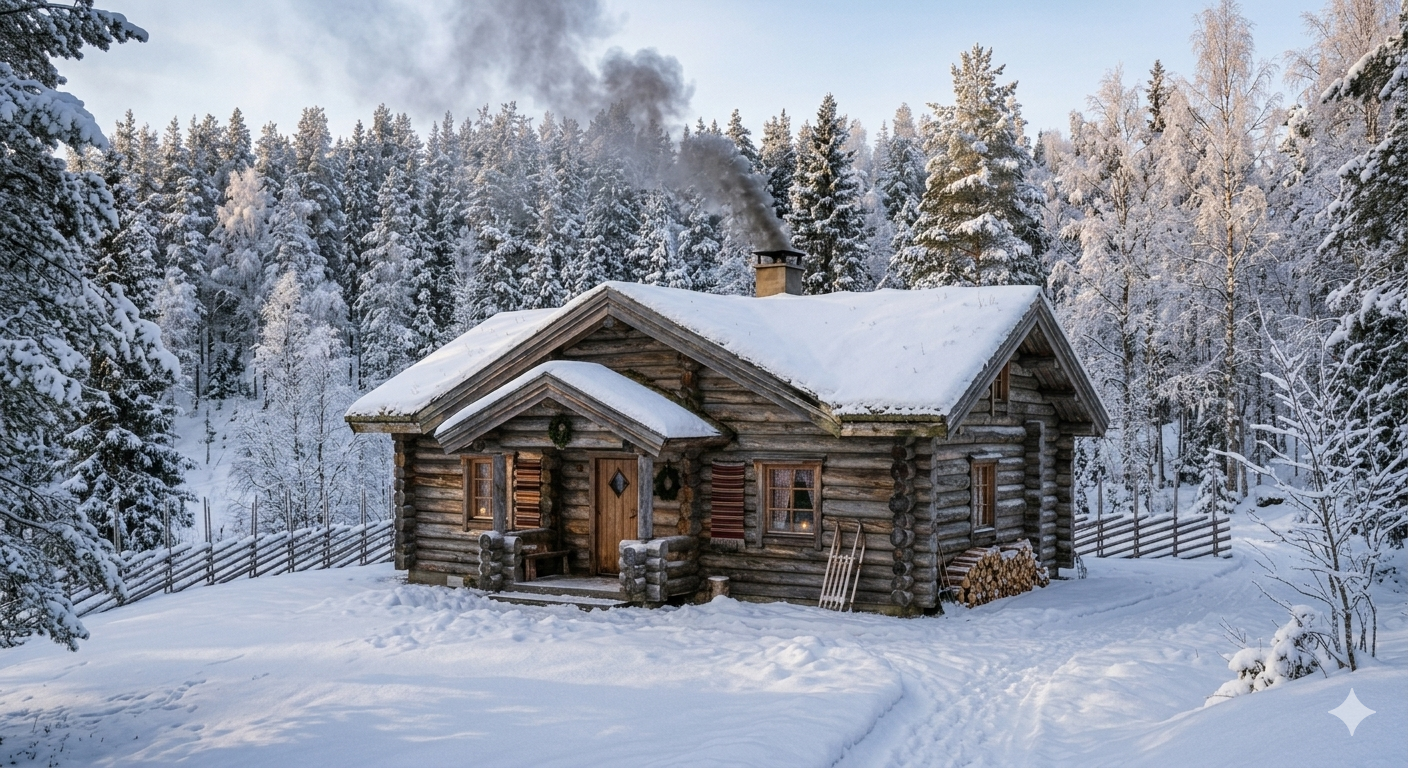
Tiimatuvat represent a distinctive chapter in architectural history, embodying centuries of Finnish cultural heritage and practical wisdom accumulated through generations of living in harmony with nature. These traditional log houses stand as physical manifestations of how Finnish people adapted to their environment, created communities, and expressed their cultural values through the built environment. The term Tiimatuvat refers specifically to traditional Finnish dwellings characterized by their wooden construction, distinctive design elements, and deep integration with the surrounding landscape. Understanding Tiimatuvat requires exploring not just their physical structure but also the cultural, environmental, and social values they represent.
The significance of Tiimatuvat extends far beyond their function as simple shelters. Each Tiimatuvat tells a story of its builders, the resources available in their region, and the ways Finnish communities adapted to challenging climate conditions. Tiimatuvat showcase the ingenuity of Finnish people who developed building techniques that provided warmth, safety, and community spaces while using materials readily available in the Finnish landscape. The enduring appeal of Tiimatuvat to modern architects, cultural historians, and heritage preservationists reflects their timeless design principles and their embodiment of sustainable living practices that contemporary society increasingly values.
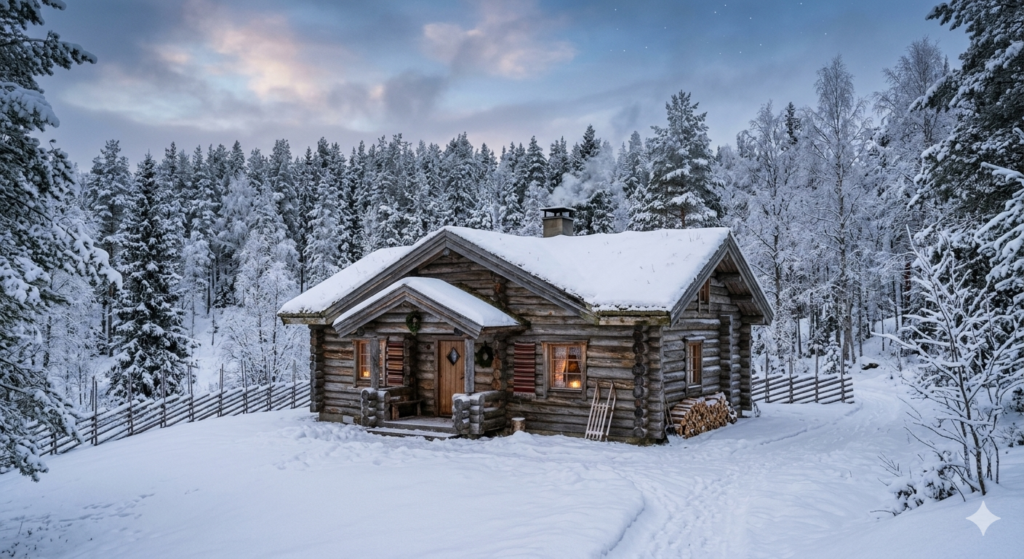
Tiimatuvat are recognized by their distinctive architectural characteristics that reflect both aesthetic beauty and practical functionality. The most obvious feature is their wooden structure, typically constructed from logs carefully selected and precisely joined together to create strong, insulated walls. This log construction method, refined over centuries, demonstrates the sophisticated understanding Finnish builders had of material properties and structural engineering. The logs are often left visible on both exterior and interior surfaces, celebrating the natural beauty of wood while providing excellent insulation properties crucial for surviving harsh Finnish winters.
The roof design of Tiimatuvat represents another crucial architectural element refined through practical experience with Finland’s climate. Sloping roofs, typically pitched at significant angles, efficiently shed heavy snowfall while allowing water drainage during thaw periods. This design emerged from generations of observation about how to protect structures from snow accumulation and the weight-related stresses it creates. The roof construction often incorporates materials that provide both durability and weather resistance, with traditional options including wood shingles or thatch, later supplemented by modern materials that maintain aesthetic continuity while improving performance. Windows in Tiimatuvat are strategically positioned to maximize the benefits of Finland’s limited daylight during winter months while minimizing heat loss through careful sizing and placement.
The interior spaces of Tiimatuvat reflect a design philosophy centered on community, warmth, and efficient use of space. The characteristic open layout, rather than dividing space into many small rooms, creates environments where family members gather, work, and sleep in proximity to each other. This arrangement emerged from practical heating considerations—maintaining warmth in multiple separate spaces would be inefficient and wasteful of precious fuel resources. The central fireplace or stove serves as both the physical and social heart of the Tiimatuvat, providing heat for survival while creating a gathering place where family members congregate.
Natural materials dominate the interior aesthetic of Tiimatuvat, with exposed wooden beams, unpainted timber surfaces, and stone elements creating spaces that feel organic and connected to the natural world. Rather than viewing this as primitive or lacking sophistication, contemporary designers recognize the refined minimalism of traditional Tiimatuvat interiors. Furniture within Tiimatuvat tends toward functionality and simplicity, with handcrafted pieces reflecting local artistic traditions and the practical needs of inhabitants. Textiles in muted, natural tones add warmth and comfort without overwhelming the serene atmosphere that characterizes well-designed Tiimatuvat spaces.
The construction of Tiimatuvat traditionally relied on locally sourced natural materials, a practice that both reduced environmental impact and ensured structural appropriateness to local conditions. Timber, particularly pine and spruce, dominates Tiimatuvat construction due to these species’ abundance in Finnish forests, their structural properties, and their resilience against the region’s climate challenges. The log construction technique used in Tiimatuvat involves carefully selecting timber, felling it during appropriate seasons, and allowing it to cure before precise joining creates weathertight structures.
The joinery techniques employed in Tiimatuvat construction represent sophisticated carpentry knowledge developed over centuries. Logs are carefully notched at corners using techniques that create strong, interlocking joints requiring no nails or metal fasteners. This method, while appearing simple, demonstrates deep understanding of wood movement, structural loads, and the properties of different timber species. Stone serves multiple purposes in Tiimatuvat construction, providing foundations that protect wooden structures from moisture and ground-related deterioration, while also forming fireplaces and chimneys that safely contain and distribute heating from central fires. Traditional Tiimatuvat sometimes featured thatched roofs using locally available plant materials, though modern versions typically employ more durable materials while maintaining visual continuity with traditional designs.
Tiimatuvat hold profound cultural significance within Finnish society, representing more than architectural structures but rather embodying Finnish values, traditions, and ways of relating to the natural world. The Tiimatuvat tradition reflects fundamental Finnish cultural elements including resilience in the face of challenging environmental conditions, respect for natural materials and resources, and the importance of family and community bonds. In Tiimatuvat, these values are physically expressed through the built environment, creating spaces where culture is lived daily rather than merely discussed or remembered.
The role of Tiimatuvat in Finnish cultural memory extends to traditional crafts, storytelling, and seasonal celebrations that historically centered around these dwellings. Skills associated with Tiimatuvat construction—including timber selection, log joining, and interior craftsmanship—represent cultural knowledge passed from generation to generation. The Tiimatuvat tradition also connects to Finnish relationships with forests, which occupy both practical and spiritual significance in Finnish culture. Throughout Finnish literature, art, and historical narratives, Tiimatuvat appear as emblems of Finnish authenticity, heritage, and connection to homeland. Preserving Tiimatuvat thus becomes an act of cultural preservation, ensuring that contemporary and future generations understand their heritage and the values it represents.
Tiimatuvat have undergone significant evolution while maintaining their essential character, reflecting how Finnish people adapted traditional building forms to accommodate changing lifestyles and available technologies. In their earliest forms, Tiimatuvat served as simple, sturdy shelters for farmers, herders, and other rural populations, prioritizing protection from harsh weather and efficient use of scarce resources. The designs during this period were remarkably efficient, with every element serving clear practical purposes and nothing included that was unnecessary or wasteful.
As Finnish society gradually industrialized and living standards improved, Tiimatuvat designs incorporated refinements that enhanced comfort while maintaining traditional forms. Improved joinery techniques, better understanding of insulation principles, and access to supplementary materials allowed builders to create structures that were simultaneously more beautiful and more functional than earlier versions. The introduction of new materials, while potentially threatening traditional Tiimatuvat character, was often thoughtfully integrated to enhance performance without destroying aesthetic or cultural continuity. Modern interpretations of Tiimatuvat continue this evolutionary tradition, incorporating contemporary building science, sustainable materials, and modern conveniences while preserving the essential character that makes Tiimatuvat recognizable and culturally significant.
Tiimatuvat embody sustainable building principles that modern environmental consciousness increasingly values and seeks to relearn. The use of locally sourced timber reduces transportation impacts while ensuring that building materials are appropriate to local climate and environmental conditions. The construction techniques employed in Tiimatuvat require minimal processing of materials, with timber used in relatively raw forms that preserve the environmental benefits of the resource. The longevity of Tiimatuvat structures, many of which have survived centuries of use, demonstrates that thoughtful design and quality construction create buildings that serve multiple generations, reducing the environmental impact that comes from frequently replacing structures.
The passive heating and cooling strategies inherent in traditional Tiimatuvat design represent sophisticated understanding of thermal principles. The wooden construction provides excellent insulation, reducing heating demands, while the strategic placement of windows and thermal mass from central fires creates comfortable interior temperatures without relying on mechanical systems. The emphasis on natural materials and minimal processing reflects an implicit understanding of embodied energy—the environmental cost of manufacturing and transporting building materials. Modern sustainability movements increasingly recognize that Tiimatuvat represent a form of building wisdom accumulated through generations of practical experience, offering lessons relevant to contemporary environmental challenges.
Preserving existing Tiimatuvat while adapting them to modern living standards presents both cultural and practical challenges. Conservation efforts must balance authentic restoration that respects historical accuracy with necessary upgrades that make structures suitable for contemporary inhabitants. Traditional Tiimatuvat often lacked modern conveniences—indoor plumbing, electricity, and heating systems—that contemporary residents expect. Adding these systems while respecting the integrity and character of historic structures requires careful planning and thoughtful design that conceals modern systems while making them functional.
Organizations and communities throughout Finland work actively to preserve Tiimatuvat heritage through documentation, education, and hands-on conservation work. Museums showcase examples of historic Tiimatuvat, providing opportunities for public education about traditional building practices and ways of life. Craftspeople work to maintain and transmit the specialized skills required for authentic Tiimatuvat construction and restoration. Government policies and heritage protection laws help ensure that significant historic Tiimatuvat structures are protected from demolition or inappropriate modification. These preservation efforts recognize that Tiimatuvat represent irreplaceable cultural resources whose loss would diminish Finnish heritage and deprive contemporary and future generations of valuable historical knowledge.
Modern architects and designers have embraced Tiimatuvat as inspiration for contemporary residential design, recognizing that traditional forms often embody timeless principles of beauty, functionality, and environmental sensitivity. Contemporary Tiimatuvat often blend traditional aesthetic elements with modern building science, sustainable materials, and contemporary conveniences. Modern versions might incorporate cross-laminated timber, contemporary insulation systems, and renewable energy technologies while maintaining the characteristic wooden aesthetic and spatial organization that defines Tiimatuvat.
The appeal of contemporary Tiimatuvat-inspired architecture reflects broader cultural movements toward sustainable living, connection to nature, and appreciation for authentic design. Contemporary designers often reference Tiimatuvat principles including emphasis on natural materials, integration with landscape, minimalist aesthetic, and community-oriented spatial organization. These modern interpretations demonstrate that Tiimatuvat represent not historical artifacts frozen in time but rather living traditions capable of evolution and reinterpretation for contemporary contexts. The increasing popularity of Tiimatuvat-inspired homes among contemporary homeowners suggests that the principles underlying traditional Finnish architecture address enduring human needs for shelter that feels authentic, connected to place, and in harmony with the natural environment.
Modern material science offers opportunities to enhance Tiimatuvat performance while maintaining traditional character and aesthetic. Contemporary timber products, including engineered wood and cross-laminated timber, provide structural capabilities that exceed traditional solid logs while maintaining the visual and tactile qualities of wood. Modern insulation materials can be incorporated into Tiimatuvat structures without compromising their traditional appearance, improving energy efficiency far beyond what traditional construction provided. These innovations allow contemporary Tiimatuvat to achieve performance levels that make them comfortable and practical for modern living while honoring the design principles and aesthetic traditions that define the form.
The challenge in material innovation for Tiimatuvat involves ensuring that modern materials enhance rather than fundamentally alter the character that makes these structures culturally and aesthetically significant. Choices about which materials to modify and which to preserve in traditional forms require nuanced decision-making that respects both functionality and cultural values. Some aspects of Tiimatuvat, like the visible log structure and wooden interiors, are so central to their identity that preserving them in authentic form becomes essential. Other aspects, like insulation or electrical systems, can be substantially modified without undermining the essential character of Tiimatuvat. Thoughtful integration of contemporary materials and technologies represents the path forward for Tiimatuvat as living traditions rather than museum pieces.
Making traditional Tiimatuvat suitable for contemporary living requires thoughtfully integrating modern systems including plumbing, electricity, heating, and climate control. The challenge lies in incorporating these systems in ways that enhance functionality without compromising the serene, natural aesthetic that characterizes well-designed Tiimatuvat interiors. Modern kitchens and bathrooms can be designed to feel consistent with traditional Tiimatuvat aesthetic through careful material selection, minimalist fixture design, and concealment of mechanical systems. Contemporary heating systems, rather than replacing traditional fireplaces, can supplement them, maintaining the cultural and aesthetic significance of the central fireplace while providing reliable heating for cold seasons.
Lighting design in modernized Tiimatuvat often emphasizes natural light supplemented with carefully designed artificial lighting that complements rather than dominates the space. Electrical systems can be concealed within walls or run along beam structures in ways that minimize visual disruption. Storage systems, while not characteristic of traditional Tiimatuvat, can be built into walls or designed as integrated furniture that respects the minimalist aesthetic. Contemporary Tiimatuvat often benefit from open planning that maintains the social orientation of traditional designs while providing flexibility for modern lifestyles. These modernizations demonstrate that Tiimatuvat principles can accommodate contemporary needs without requiring abandonment of the character and values these structures represent.
Tiimatuvat derive much of their character from their integration with the Finnish landscape, with designs that reflect the natural surroundings and resource availability of particular regions. The use of locally sourced timber ensures visual and material continuity between structures and their environments. The relationship between Tiimatuvat and forest landscapes reflects the profound importance of forests in Finnish culture, geography, and economic life. Traditional siting of Tiimatuvat often maximizes use of natural features for protection from wind while maintaining views of significant landscape elements.
Contemporary Tiimatuvat and Tiimatuvat-inspired architecture continue this tradition of environmental integration through careful site selection, landscaping with native plants, and design approaches that minimize disruption to existing vegetation and topography. The visual harmony between Tiimatuvat and their surroundings reflects a design philosophy that views buildings as elements within landscapes rather than impositions upon them. This approach to integration with natural environments represents an alternative to design philosophies that prioritize human control and manipulation of landscape. Modern sustainability movements increasingly value this integration-based approach, recognizing that buildings that harmonize with their surroundings typically have lower environmental impacts and create more psychologically satisfying spaces for their inhabitants.
Tiimatuvat are traditional Finnish log houses that have been built and inhabited for centuries throughout Finland. They originate from rural Finnish communities where timber was the primary available building material. These dwellings represent practical adaptations to Finland’s harsh climate combined with cultural values emphasizing community, simplicity, and connection to nature.
Traditional Tiimatuvat are primarily constructed from timber, particularly pine and spruce harvested from Finnish forests. Logs are carefully selected, cured, and precisely joined using traditional joinery techniques. Stone is used for foundations, chimneys, and fireplaces, while traditional roofing materials included wood shingles or thatch, now often replaced with more durable modern alternatives.
Tiimatuvat typically feature open floor plans with minimal room division, creating spaces organized around a central fireplace or stove. This design served practical heating purposes while fostering community and family interaction. The aesthetic emphasizes natural materials, minimalist furniture, and connection to the surrounding landscape rather than decorative elaboration.
Yes, traditional Tiimatuvat can be thoughtfully modernized to include contemporary conveniences including plumbing, electricity, and climate control while preserving their essential character. Successful modernizations carefully conceal modern systems while maintaining the wooden aesthetic, open spatial organization, and connection to nature that define Tiimatuvat character.
Preserving Tiimatuvat represents preservation of Finnish cultural heritage, building wisdom accumulated over centuries, and environmental lessons about sustainable construction. Tiimatuvat embody important cultural values and offer architectural principles relevant to contemporary sustainability challenges. Their preservation ensures these lessons remain accessible to future generations.
Yes, contemporary architects increasingly reference Tiimatuvat principles including natural material emphasis, landscape integration, minimalist aesthetics, and community-oriented spatial organization. Modern Tiimatuvat-inspired buildings blend traditional aesthetic elements with contemporary building science and sustainable materials, demonstrating that traditional forms remain relevant to modern design challenges.
Tiimatuvat represent far more than historical architectural artifacts; they embody a sophisticated understanding of how to create homes that provide shelter, comfort, and community while respecting the natural environment and available resources. These traditional Finnish dwellings demonstrate that aesthetic beauty, functional excellence, and environmental sensitivity are not contradictory goals but rather naturally complementary aspects of thoughtful design. The enduring appeal of Tiimatuvat to contemporary architects, heritage preservationists, and homeowners reflects recognition that these structures embody timeless design principles addressing fundamental human needs.
The evolution of Tiimatuvat from simple utilitarian structures to refined architectural forms showcases the capacity of traditional building practices to improve and adapt while maintaining essential character. Contemporary reinterpretations of Tiimatuvat demonstrate that respect for heritage need not preclude innovation or modern functionality. Rather, engaging deeply with traditional design principles while selectively incorporating contemporary materials and technologies creates buildings that honor the past while serving contemporary needs. The sustainability principles implicit in traditional Tiimatuvat design—emphasis on local materials, minimal processing, longevity, and integration with natural environments—increasingly align with the explicit values of modern sustainable architecture movements.
Preserving Tiimatuvat and learning from their design principles represent important contributions to cultural continuity and environmental sustainability. These distinctive Finnish dwellings stand as reminders that communities can create beautiful, functional, comfortable spaces that endure for generations while maintaining harmony with their natural surroundings. Whether through restoration of historic examples, careful modernization of occupied Tiimatuvat, or contemporary reinterpretation of traditional principles, engaging with Tiimatuvat heritage ensures that the wisdom embodied in these structures continues to influence how we think about shelter, community, and our relationship with the natural world. The future of Tiimatuvat as living traditions—evolving to meet contemporary needs while maintaining cultural and aesthetic integrity—offers a compelling model for how architectural heritage can remain relevant and valuable across generations.